LAHORE: The Pakistan Cricket Board (PCB) on Monday announced a major overhaul of its player contract structure, ushering in one of the most significant reforms in its history and putting Pakistan at the forefront of modern cricket governance.
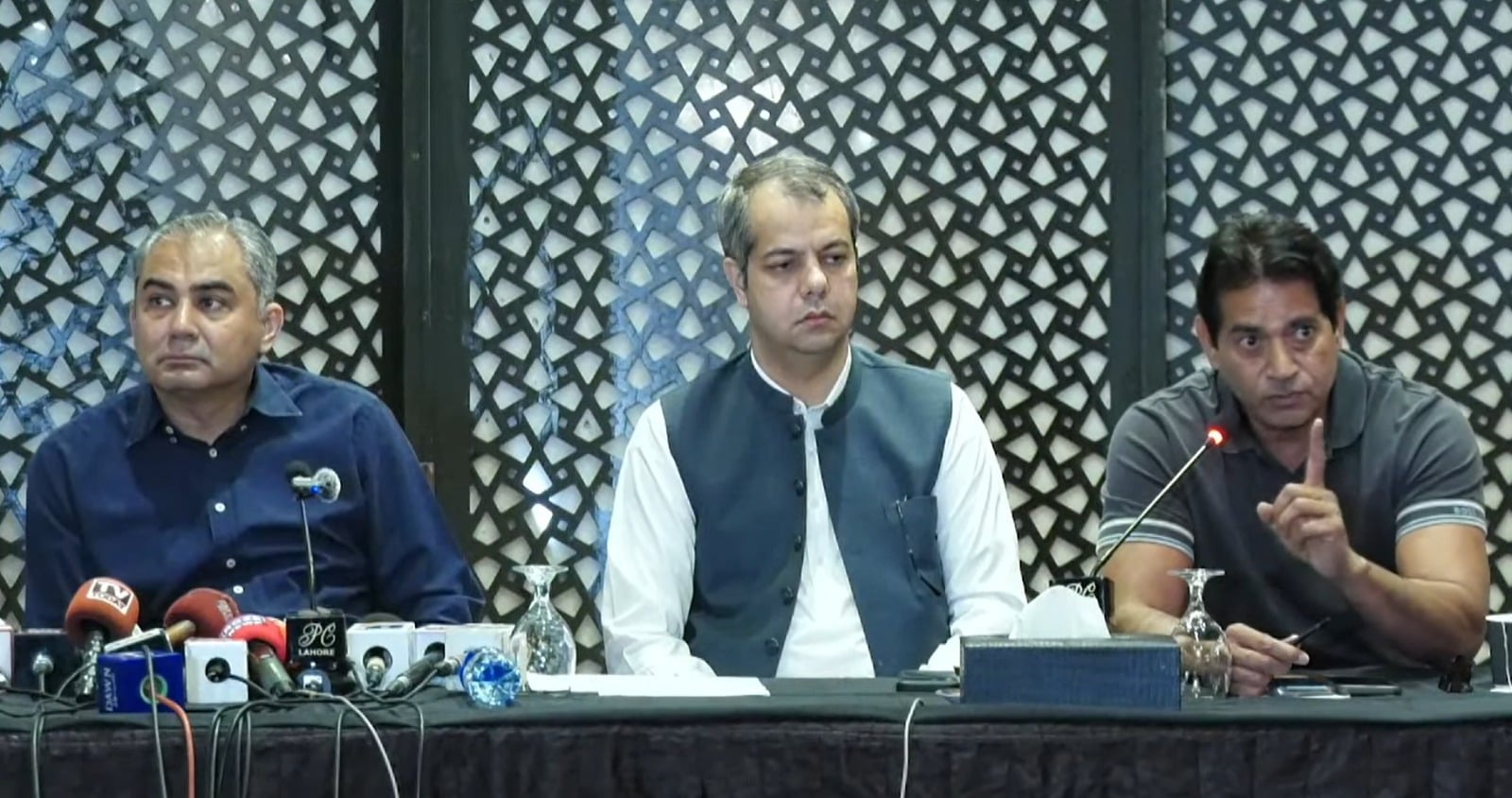
In a media briefing ahead of the 2026 contract cycle, PCB officials, including chairman Mohsin Naqvi, confirmed that the traditional category-based grading system of A, B, C and D contracts will be replaced with a format-specific model built around five distinct player tracks.
The premier tier, Track AB – a dual format (Test & ODI) – represents the highest level of commitment to the new system. It is designed for players capable of performing in both Test and ODI cricket.
Occasional selection of an AB-Type player for T20 Internationals will not be reclassified and such appearances will be treated as situational requirements rather than a change in player status.
Track A is reserved for red ball specialists and focuses only on Test cricket. The format is designed to preserve and strengthen long-form expertise by allowing players to prioritize first-class and Test commitments without the added demands of limited-over cricket, the PCB said.
Track BC, which includes ODIs and T20 Internationals, will be the primary track for white-ball batsmen. It replaces the previous separate ODI format and brings together Pakistan’s limited overs specialists under one unified structure.
Track C has been introduced for T20 professionals and franchise-focused players, recognizing the growing importance of global franchise leagues with international responsibilities. The PCB said the format offers flexibility to players who are involved in short-form cricket while maintaining national team commitments.
Track D is a development track affiliated with the National Cricket Academy system aimed at emerging players progressing through Pakistan’s high-performance structure. Each senior division has two inner tiers, allowing movement between levels in terms of form and performance.
He said the PCB reform was aimed at creating clear career paths, improving accountability and ensuring the long-term sustainability of Test cricket with the growing demands of white-ball and franchise formats.
Under the new model, players will be contracted according to their primary form commitments instead of a unified grading system.
The board described the change as role-based recognition, where players are evaluated and rewarded according to the specific demands of the formats they represent.
PCB chairman Mohsin Naqvi said the new system provides greater clarity to players and stakeholders, ensures transparent decision-making and clearly defined expectations.
The contract framework will be implemented from the 2026 central contract cycle. It will also introduce a structured three-stage assessment process that includes clinical and fitness assessments, mandatory domestic participation and design-specific performance analysis.
The PCB emphasized that player welfare and sustainable engagement in domestic cricket will be central to the new structure.
Targeted incentives have been introduced to protect Test cricket amid the global rise of franchise leagues, framing the initiative as a strategic investment in red-ball cricket.
Naqvi noted that cricket boards around the world face similar challenges in balancing Test and franchise demands, adding that Pakistan has opted for structural reform to address the issue.
The PCB further confirmed that individual player categories and financial details will not be disclosed at this stage under the new system.
The board said it was undergoing a long-term overhaul aimed at aligning Pakistan cricket with modern needs while preserving the integrity and strength of its traditional forms.